Why Home Can Feel Overwhelming Too: When Space Adds to Sensory Overload

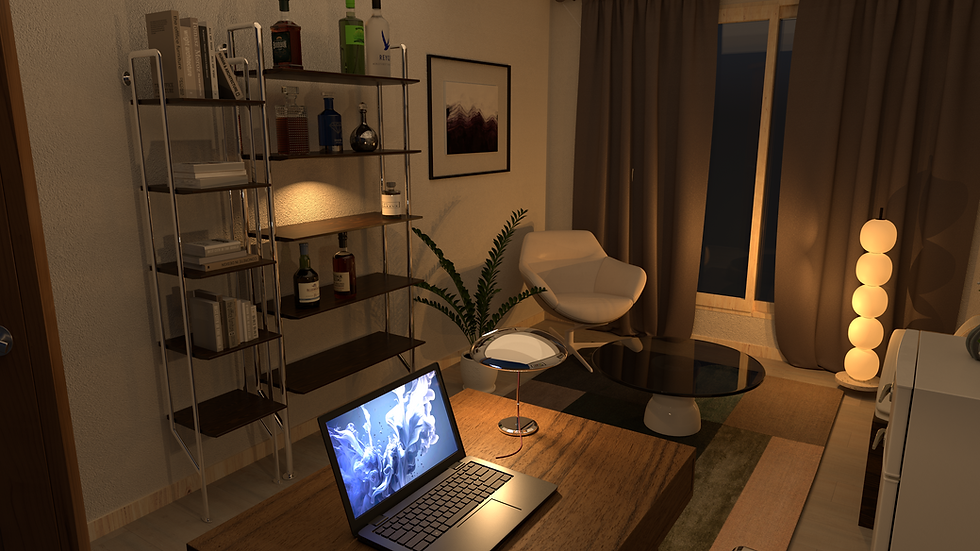
Home is supposed to be the place where we settle, reset, and recover. But sometimes home does not feel restful at all. Even after getting through the day, it can still feel hard to switch off, difficult to settle, or strangely tiring to simply be in a room for too long.
When that happens, many people assume the problem is stress, a busy mind, or poor routines. Those things do matter. But sometimes part of the issue is the space itself.
A room can place more demand on the nervous system than we realise. Harsh lighting, visual clutter, too many competing focal points, unclear layouts, uncomfortable textures, and constant background noise can all keep the body in a more alert state. Instead of helping us unwind, the environment keeps asking the brain to process, adjust, and stay switched on.
That is one reason sensory overload does not only happen in loud or chaotic public places. It can happen at home too.
What sensory overload at home can look like
Sensory overload does not always look dramatic. Sometimes it shows up in smaller, quieter ways.
It can feel like:
getting irritated more easily in the evening
finding it hard to settle into rest
feeling mentally tired in a room that should feel calm
moving from room to room without really feeling comfortable
struggling to focus, regulate, or fully relax
In children, it may show up as restlessness, avoidance, frustration, or difficulty winding down. In adults, it may feel like low-level tension that never really leaves.
That does not automatically mean something is wrong with the person. Sometimes it means the environment is asking too much.
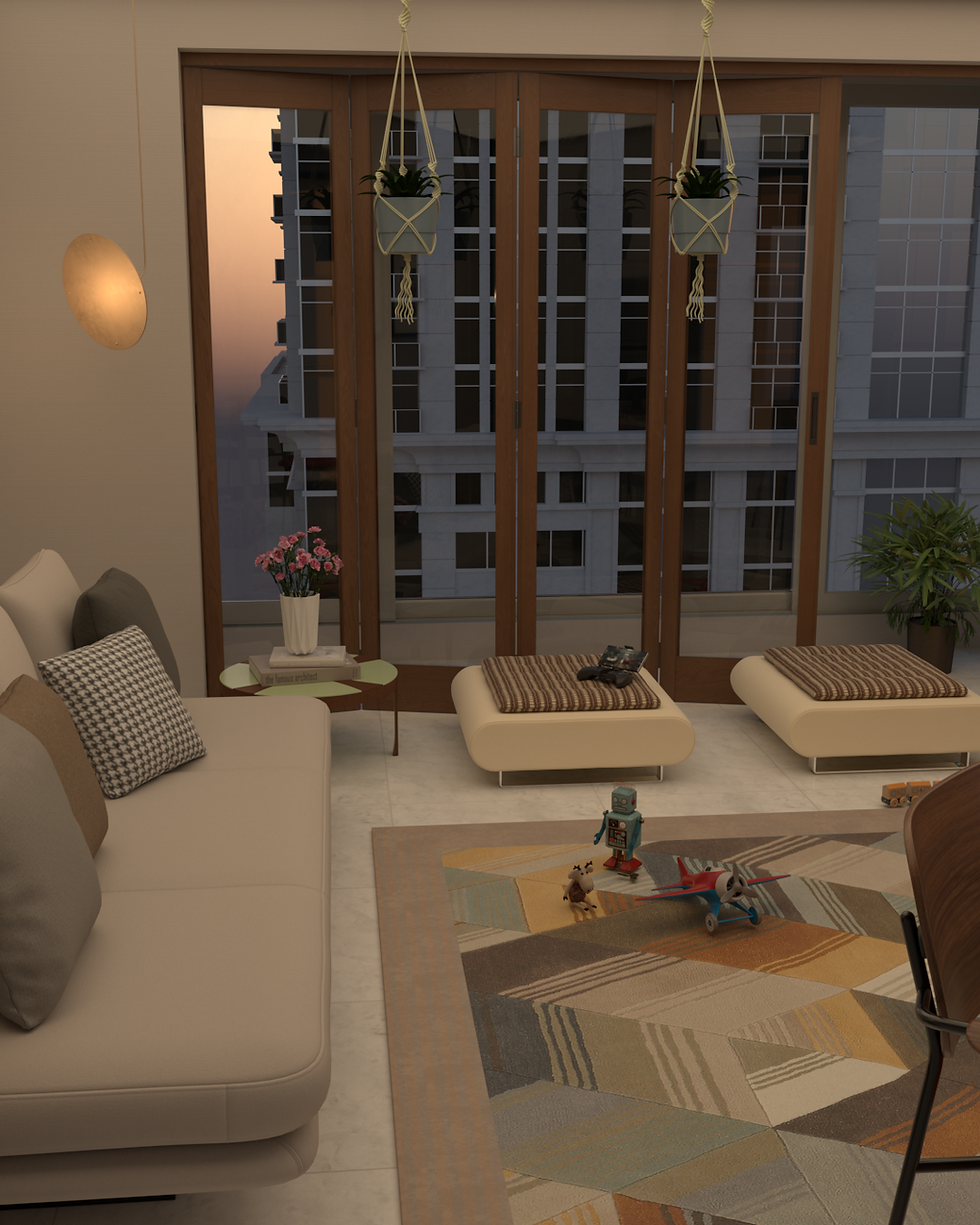
Why space matters more than people think
We often think of interiors in visual terms first. We ask whether a room looks nice, whether the colours go together, or whether the furniture works. But a space is always affecting us on more than a visual level.
It is also affecting:
how easy the room is to read
how much visual information is competing for attention
whether lighting feels soft or demanding
whether the body can tell where to rest and where to stay alert
whether the overall mood feels settling or stimulating
A calmer room is not only about minimalism or neutral colours. It is about reducing unnecessary friction. It is about helping the nervous system do less work.
That is why a room can look good and still feel difficult to be in. And it is also why small environmental changes can make such a noticeable difference.
What helps a room feel easier to handle
Spaces often feel more supportive when they are easier to understand.
That can mean:
softer, layered lighting instead of one strong overhead source
clearer zones for rest, focus, and everyday activity
fewer visually competing elements
seating layouts that feel connected rather than scattered
textures that feel softer and less demanding
a more balanced and predictable flow through the room
These changes do not have to be dramatic. In many cases, the shift comes from refining what is already there rather than starting again from scratch.
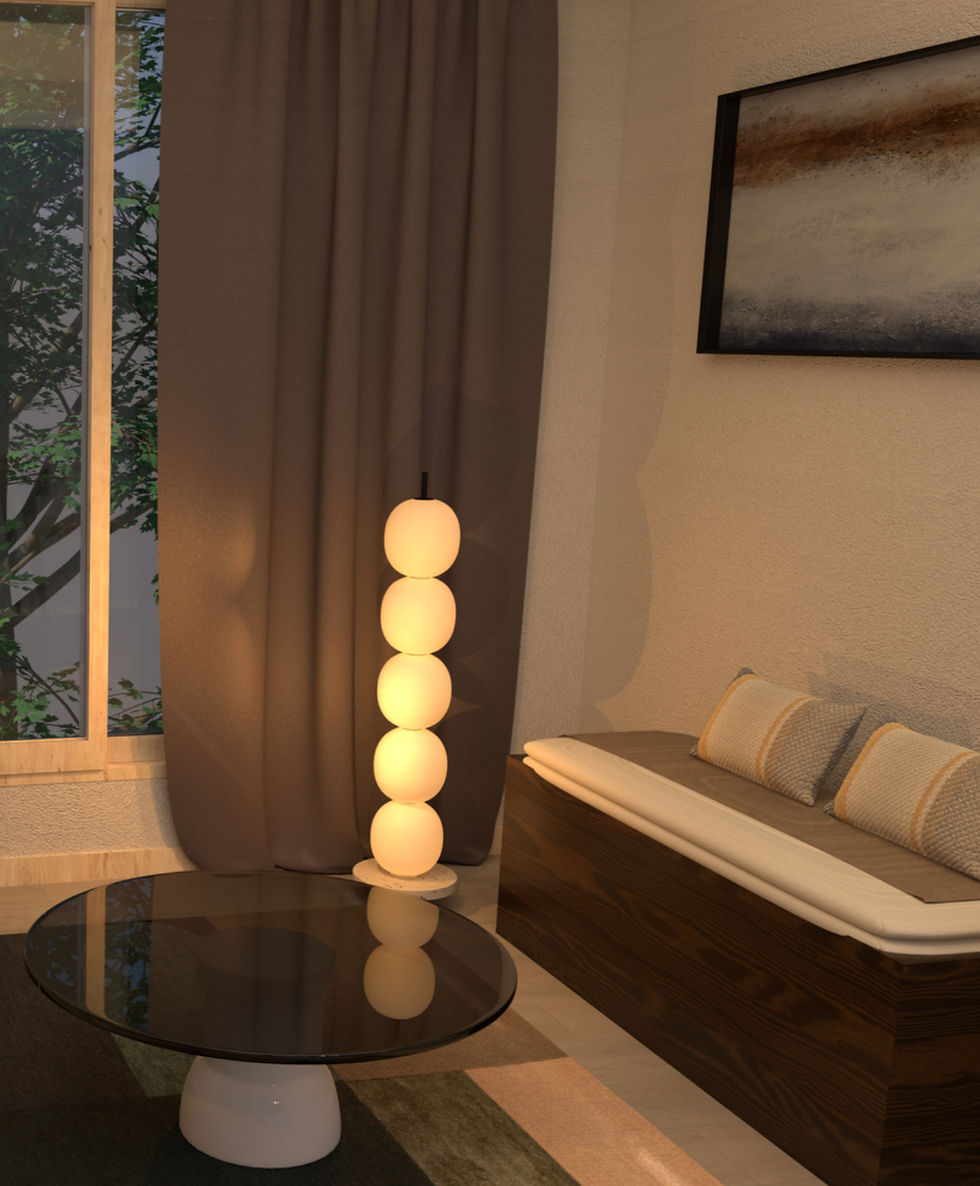
A calmer home is not just about appearance
At Allanberry Rooms, design is not only about how a room looks. It is also about how it feels to live in.
A home can be beautifully styled and still leave the nervous system working too hard. On the other hand, even a small corner can feel deeply supportive when lighting, texture, layout, and function are working together more gently.
That is part of what sensory-friendly design can do. It can help a home feel more readable, more grounded, and less demanding on the people living in it.
If home has been feeling harder than it should, it may be worth looking at the space itself. Sometimes the problem is not that a person is failing to cope. Sometimes the environment is simply asking too much.
A calmer home often starts with reducing what the nervous system has to carry.


Comments