Designing Sensory-Friendly Spaces for Children with Allanberry Story

When I think about designing for children, I do not start with colours, themes, or furniture. I start with the child.
At Allanberry Rooms, one of the most important parts of our work is understanding how a child actually experiences the world. What feels comforting? What feels overwhelming? What helps them relax, focus, or feel safe? What do they naturally move toward again and again?
That is exactly why I created Allanberry Story.
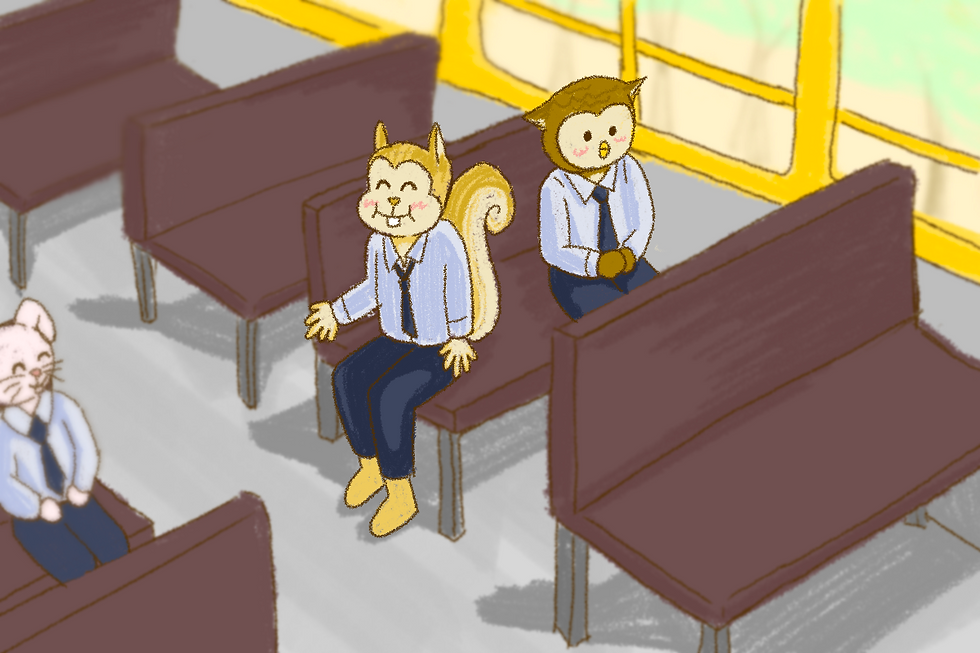
It is not just a form or a checklist. It is an interactive storytelling tool that helps children and families share sensory needs, emotions, preferences, and everyday experiences in a way that feels simple, gentle, and engaging. Instead of expecting children to explain complex feelings directly, Allanberry Story helps them respond to familiar moments from daily life. Those responses then become part of the design process.
And for me, that is where sensory-friendly design for children becomes much more meaningful. It stops being based on assumptions and starts being shaped by the child’s real experience.
What families have said
Before I explain more, I want to share two comments that really reflect this process well:
“I was surprised about how detailed it was.”
“Breaking the process into small steps actually made it better for me because I didn’t have to spend a lot of time on it.”
That is exactly what I want Allanberry Story to do. I want it to feel thoughtful and detailed, but also manageable. I want families to feel that they are learning something real about their child without the process feeling heavy or overwhelming.
What is Allanberry Story?
Allanberry Story is an interactive storytelling tool designed to help children and families share their sensory needs, emotions, and daily experiences in a simple and engaging way. Through guided stories and gentle questions, children can express what feels comfortable, overwhelming, or important to them.
Story information
18 Pages: Allanberry Story includes 18 interactive pages that guide children through emotions, routines, and sensory experiences in a gentle, engaging way.
17 Real-Life Scenarios: The story features 17 everyday scenarios that children experience at home, school, and in daily life, helping them express real feelings and challenges.
2 Characters: Two friendly characters guide children through the story, helping them feel comfortable, safe, and engaged throughout the experience.
4 Versions (Ages 5–13+): Four age-appropriate versions are available, ensuring the language, questions, and storytelling style match each child’s developmental stage.
How Allanberry Story works
One of the things I care about most in child-centred interior design is making sure that design decisions come from real life, not guesswork.
Allanberry Story turns each child’s responses into personalised design guidance. This allows us to create spaces based on real behaviour and real life needs, not assumptions.
That means if a child tells us they like strong hugs because they feel comforting, I pay attention to that. If they say blankets help them relax, I pay attention to that too. If they say certain textures feel good, or that they like being gently held, or that closeness depends on the person or the moment, that matters.
These are not small details. These are clues about how the child experiences pressure, comfort, touch, calm, and regulation.
And those clues can directly shape design choices.
Why this matters in sensory-friendly design for children
A lot of people search for things like:
sensory-friendly bedroom ideas
ADHD-friendly bedroom design
autism-friendly room design
sensory room design for children
designing for children with sensory needs
Those are useful searches, but the challenge is that no single idea works for every child.
A cosy corner may feel wonderful for one child and too enclosed for another. A heavy blanket may feel calming for one child and uncomfortable for another. A textured finish may feel grounding for one child and irritating for someone else.
That is why I believe the best sensory-friendly spaces for children begin with understanding the child’s own preferences first.
The goal is not to create a generic “sensory room.” The goal is to create a space that actually supports this child.

A page from Allanberry Story (10-12 years version)
Here is one example page from Allanberry Story. I am keeping the story and questions exactly as they were written.
Story
Allan lay back on the soft ground.The leaves rustled quietly under him as he stretched his arms and legs.The air smelled fresh, and he watched the light move through the trees.
Berry stood between two tall trunks and pressed his hands against the bark.The trees felt rough but steady.He smiled. “It feels nice — like they’re holding me up.”
Allan nodded, relaxing. “Yeah. It’s peaceful here.”
Questions
How do you feel about hugs or people being close to you?
A. I like strong hugs — they feel comforting.
B. I prefer gentle hugs.
C. Sometimes I like them, sometimes I don’t.
D. I don’t really like hugs.
E. Other
When you lie down with a blanket on top, how does your body feel?
A. It feels comfortable — I can relax easily.
B. It feels warm and cozy.
C. I don’t like it — it feels too tight or heavy.
D. I don’t usually use blankets much.
E. Other
What a page like this tells us
What I like about a page like this is that it helps children communicate sensory experiences in a way that feels natural.
A child answering these questions may be telling us about:
pressure preferences
touch sensitivity
comfort with closeness
feelings about weight and containment
sensory regulation needs
emotional safety
how they settle and relax
That is incredibly useful when I am thinking about personalised sensory design.
For example, if a child says they like strong hugs and feel comfortable under a blanket, that may suggest they respond well to deeper pressure, cocooning forms, and spaces that feel grounded or held. If they say they dislike heavy blankets or do not like hugs, the design may need to feel lighter, more open, and less physically enclosing.
This does not mean I translate a single answer too literally. It means I look at the child’s overall pattern and let that guide the design in a thoughtful way.
How this shapes the actual space
This is where Allanberry Story becomes more than an activity. It becomes a design tool.
The responses can influence decisions around:
sensory-friendly bedroom design
furniture shape and enclosure
soft furnishings and materials
blanket and bedding choices
tactile surfaces
retreat spaces
calm corners
layout and zoning
support for emotional regulation
home environments that feel safer and easier to use
If a child tells me what feels good, I want to build on that. I want the room to support that experience rather than ignore it.
That is a big part of the Allanberry Rooms approach. We are not just trying to make a room look child-friendly. We are trying to make it feel right for the child living in it.
Designing for children means understanding their personal world
Children do not always explain themselves in formal or clinical language. But they do show us patterns.
They show us what they seek.They show us what they avoid.They show us what helps them rest, regulate, or feel secure.
Allanberry Story gives them a way to share those patterns more clearly.
For families looking for sensory-friendly home design, ADHD-friendly rooms, autism-friendly interiors, or more thoughtful children’s bedroom design, I think this kind of listening matters. It helps us move away from assumptions and toward a more personal, supportive design process.
Final thoughts
At Allanberry Rooms, I believe the best spaces for children begin with listening.
That is why Allanberry Story is such an important part of the process. It helps us understand how children experience touch, calm, routine, closeness, texture, and comfort through relatable everyday scenes. And once we understand that, we can design spaces that respond more thoughtfully.
For me, that is what designing for children should be about. Not just making something look nice, but creating an environment that reflects how the child actually experiences the world.
Comments