What is neuroarchitecture, and what can it tell you about a room?

Updated: Nov 17
Why can two rooms with similar furniture feel so different? Neuroarchitecture offers one way into questions about our surroundings, alongside careful attention to everyday experience.

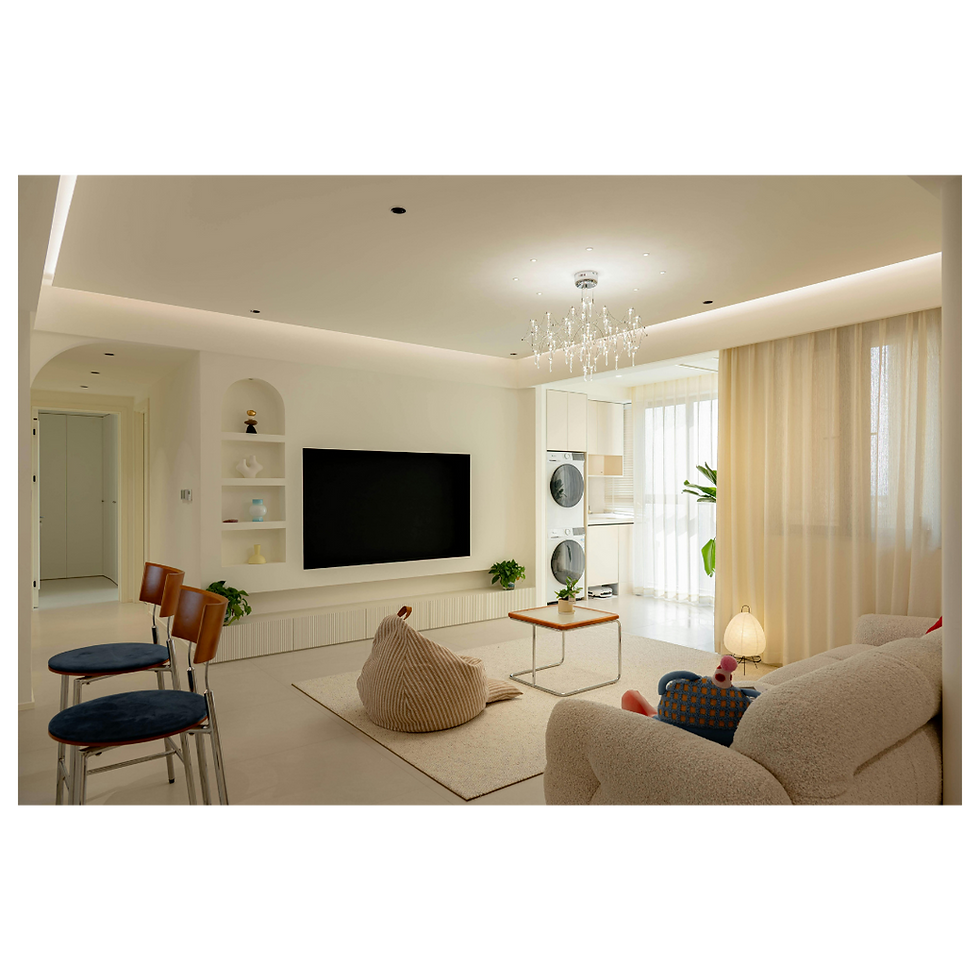
Allanberry Rooms design visualisation — Calm Corner. Daylight and the seated view are considered alongside the furniture.
See this design in our project portfolio.
An interesting field, and a very ordinary question
The term neuroarchitecture brings research about the brain, perception and cognition into conversation with the built environment.
What draws me to that conversation is a much more everyday question: why does this place feel easier to use than that one?
Environmental psychology and sensory-informed design ask related questions about people and places.
In practice, I want that curiosity to lead back to the person using the room, rather than a universal recipe for a supposedly ideal interior.
What a study can help us ask
A 2026 systematic mapping review describes a varied research field and the challenge of translating experimental findings into design practice.
It is a reason to look closely at the evidence behind a design claim.
Who took part? Did they experience a building, a photograph or a virtual room?
Were researchers asking about preference, measuring attention or studying a particular task? Those details help us understand which question a result can answer.
For a home or classroom, the next step still involves the people and activities there. An average finding cannot tell us what every child, colleague or family member will enjoy.
Bring the question into a room
Take the reading corner pictured above. A useful discussion includes the view from the chair, where the light reaches the page and how often people pass nearby.
We can try a different position, listen to the reader and notice which arrangement they choose to return to.
This is where research and design can become a practical conversation. Light, sound, texture, control and personal meaning give us things to ask about and choices to explore.
At Allanberry Rooms, the aim is to bring that attention into everyday spaces. If a room is difficult to settle into, work in or share, describe one ordinary moment through our design enquiry.
It gives us somewhere concrete to begin.

Comments