A restaurant menu people can read from the queue and the table

Updated: Nov 17
Choosing food is harder when the menu is difficult to read from the place you are standing. Restaurant design includes that first decision.
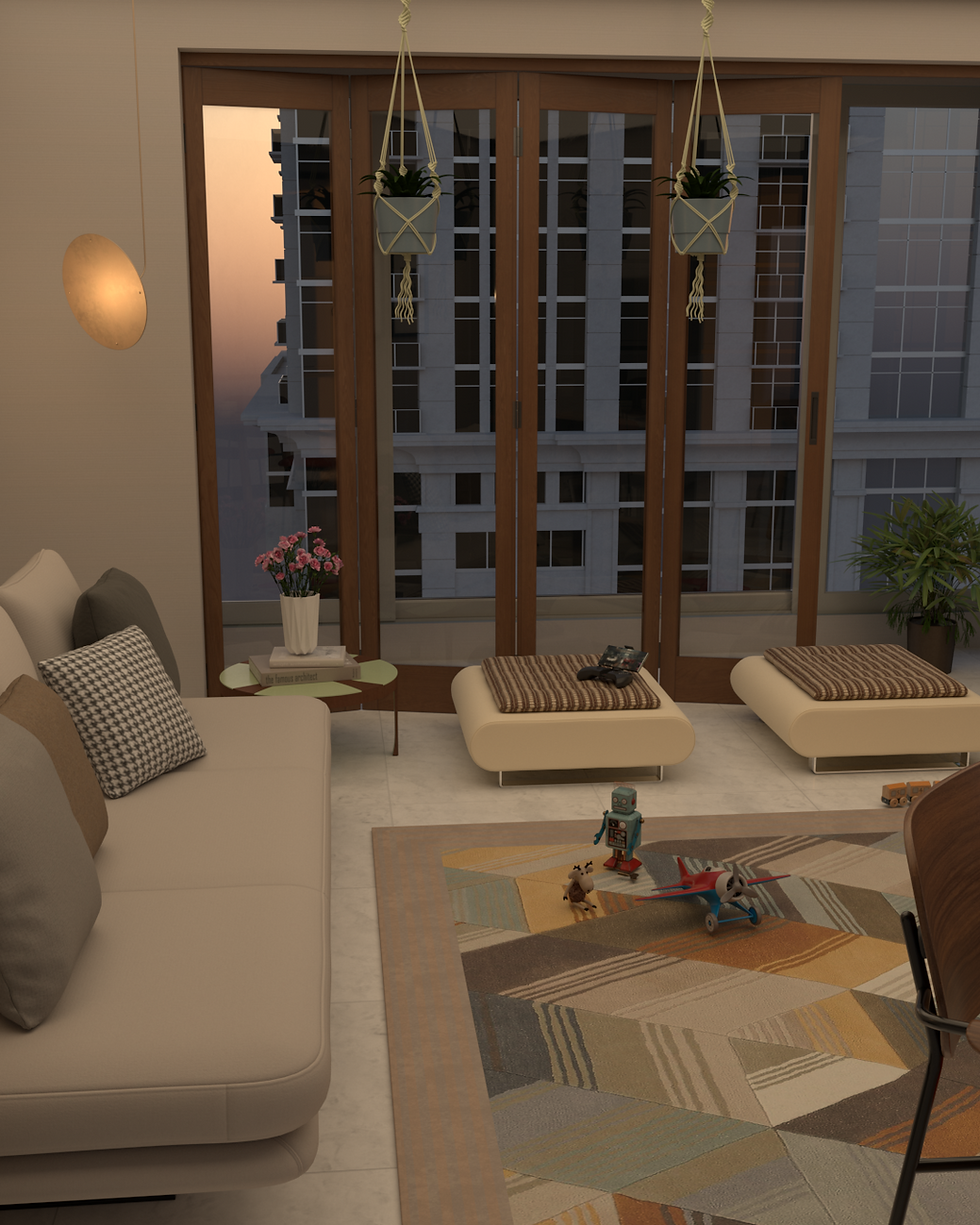
Allanberry Rooms design visualisation — Family Living Room. The seating is arranged around spending time together.
See this design in our project portfolio.
Follow one decision from the door
Enter as a first-time guest and try to find a dish and its description before ordering. Stand where the queue usually pauses.
Notice whether another customer, a window reflection or an overhead light covers the information.
At the table, open the same printed menu. A glossy finish can catch a reflected light at the reading angle.
The CCOHS lighting survey guide describes how to identify this type of glare.
Illustrative menu setup. Try finding the same item in the queue and from a seat.
Test the same content in two places
Compare a wall menu with a printed copy that uses the same item names in the same order. Check the board from a lower viewing height and the printed menu from two tables.
Ask guests to locate the dish without the person helping pointing it out. A large print copy kept where staff and guests can find it can provide another reading position.
Make its availability clear at the point where someone would ask.
Put the reading spot on the floor plan
Allanberry Rooms’ sensory-led loft proposal looks at how sitting and moving relate within one shared space. Apply the same perspective to the place where guests stop to read.
Use our hospitality design enquiry route to share photos of the order point and the table at your busiest hour. Include the menu format people usually choose.


Comments